
Working capital and overdraft finance give your business access to funds when cash flow is tight — covering payroll, supplier payments, seasonal gaps or a growth opportunity without waiting on customer payments to land. Whether you need an ongoing facility you draw on as needed, or a one-off injection to bridge a gap, we match you to the right structure and lender for your situation.


Working capital finance covers the gap between when your business pays its bills and when its customers pay you. It's not for buying an asset — it's finance that keeps day-to-day operations moving. An overdraft or revolving facility gives you a limit to draw on as needed; other structures provide a lump sum or advance funds against invoices. Here's how it typically works:
Depending on your situation, that might mean an overdraft against your business transaction account, a revolving line of credit, or a facility secured against invoices or other assets.
With a revolving facility, you draw funds when you need them and repay as cash comes in, rather than receiving one lump sum. Interest is often charged only on the amount actually drawn, not the full limit.
Ongoing facilities are typically reviewed periodically by the lender rather than repaid off over a fixed term like a standard loan — as long as the business keeps meeting the lender's criteria, the facility continues.
Working capital facilities can be secured against property or other business assets, secured against unpaid invoices, or in some cases unsecured altogether. Each comes with different limits and requirements. Which one makes sense depends on what security you have available and how quickly you need the facility in place — exactly where knowing the lender panel changes the outcome.
Before recommending anything, we look at what's actually driving the cash flow pressure — seasonality, a growth opportunity, slow-paying customers — so the facility fits the real problem, not just a number.
Overdraft, revolving line of credit, invoice finance, or an unsecured facility — different lenders specialise in different structures. We map your situation across a 50+ panel to find the best fit.
Limit size, security (if any), and how drawdowns and repayments work day-to-day. Getting this structure right up front is what makes a facility genuinely useful rather than just extra debt.
One clean application to the best-fit lender. We manage documentation, conditions and lender communication through to the facility being ready to use.
Use the facility as your cash flow needs it. If your business grows into needing asset finance, acquisition funding or property finance down the track, we handle that too — one partner across the whole journey.
"The businesses that get working capital wrong usually take on the wrong structure, not the wrong amount. Getting the facility type right matters more than people expect." — Pooja Choudhary

A limit attached to your transaction account you draw on and repay as cash flow moves
Talk to us →
Draw, repay and redraw within an approved limit as your working capital needs change
Talk to us →
Advance funds against unpaid invoices or purchase orders instead of waiting on payment terms
Talk to us →
A lump-sum facility with no specific asset required as security, assessed on cash flow
Talk to us →
Short-term facilities to bridge predictable seasonal dips without disrupting operations
Talk to us →Lenders assess working capital facilities partly on whether security is offered. Broadly, that puts options in two buckets — and which one fits shapes your limit, your rate, and which lenders will consider the application.
Backed by property, other business assets, or unpaid invoices — typically supports a larger facility and more competitive pricing.
Assessed purely on cash flow and trading history rather than a specific asset — useful when you don't have security to offer or need something in place quickly.
Details are indicative only and subject to lender assessment. Your trading history, security and purpose determine the actual limit, rate and lender appetite.
| Facility type | Typical security | How lenders see it |
|---|---|---|
| Business overdraft | Often secured against property or assets | Ongoing facility, reviewed periodically |
| Invoice / trade finance | Secured against unpaid invoices | Scales with your receivables |
| Unsecured business loan | None required | Assessed on cash flow and trading history |
| Revolving line of credit | Secured or unsecured, lender-dependent | Draw and repay within an approved limit |
Overdraft, invoice finance, unsecured or a revolving line of credit — tell us what's driving the cash flow pressure and we'll map it against the lender panel.
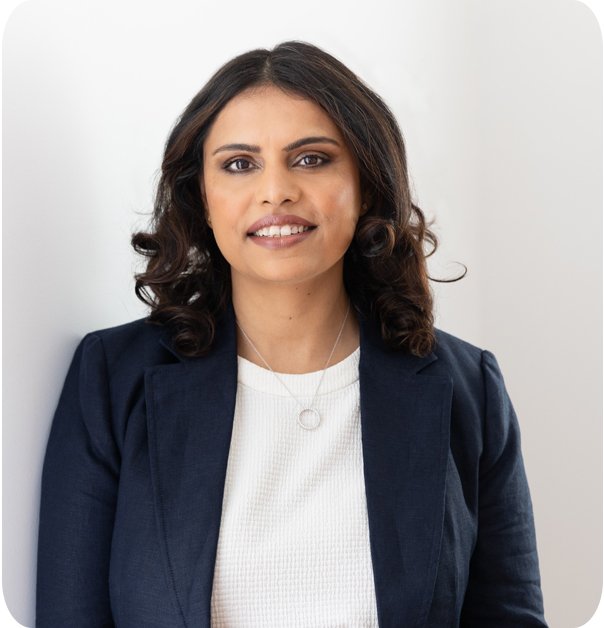
Before founding Probiz, Pooja Choudhary spent years inside NAB and ANZ. Working capital applications turn on how cash flow is presented and which facility structure actually fits the business — and she's assessed those from the lender's chair. Having someone who knows what different lenders will actually approve is the difference between the first offer and the right one.
Seamless finance experience with Probiz Finance — highly recommend. As a business owner, having someone who knows the lenders made all the difference...
We recently had the pleasure of working with Probiz Finance and could not be more satisfied with the experience...
I've relied on Probiz Finance for my business lending needs for quite some time now, and every experience has been...
A business loan gives you a lump sum you repay over a fixed term. An overdraft or revolving facility gives you a limit you draw on and repay as cash flow allows, with interest typically charged only on what's actually drawn. Working capital facilities are generally built for ongoing flexibility rather than a one-off purchase.
Not always. Facilities can be secured against property, other business assets or unpaid invoices, or in some cases arranged unsecured based on your trading history and cash flow. Secured facilities can generally support a larger limit; unsecured options are often faster to arrange.
It depends on your facility type, trading history, cash flow and whether security is offered. Secured facilities and invoice finance can scale with your assets or receivables; unsecured options are typically assessed against turnover and cash flow trends. We compare your situation across a 50+ lender panel to find the best fit.
It's more difficult but not impossible — it depends heavily on the lender and the facility type. Invoice finance, for example, can sometimes work for newer businesses since it's assessed against the invoices themselves rather than years of financials. We'll be upfront if your situation needs a different structure or more trading history first.
Invoice finance advances funds against specific unpaid invoices or purchase orders, so the facility size grows and shrinks with your receivables. An overdraft or line of credit is a standing limit not tied to specific invoices. Businesses with long payment terms from customers often find invoice finance a more natural fit.
It can factor into how other lenders assess your overall debt position, so it's worth considering alongside any other finance you're planning — existing or future. We'll talk through how a new facility sits alongside what you already have.
In most cases we're paid a commission by the lender when the facility settles, not by you. If a fee ever applies to your situation, it's disclosed in writing before you commit to anything — no surprises.
No credit checks at this stage, no obligation. We'll come back to you within one business day with a read on how lenders would see the deal.
Either way, it's worth understanding your options before you need them urgently. A strategy session with Pooja Choudhary — no obligation, no fee.