
Model the purchase price, your equity and the deal type — practice, franchise or independent SME — and see an indicative loan amount in about 20 seconds. Then have a former major-bank credit specialist test it the way a lender will.
Enter the deal you're looking at. Figures are indicative ranges — the exact structure depends on the business's financials, which we work through with you.
This calculator shows the loan and deposit only. On top of your deposit, a typical acquisition also needs:
Some structures — vendor finance, or offering property as additional security — can reduce the cash deposit required. That's exactly what a strategy session works out.
For a full breakdown of these extra costs, read how much cash you really need to buy a business.
Enter the price, your available cash and what you're buying. See the indicative loan and deposit range instantly — no details required.
Pooja — ex-NAB & ANZ — reviews the target's financials, security and structure against 50+ lenders to find where the deal actually fits.
We position the application the way a credit assessor needs to see it, and guide you from offer through to settlement.
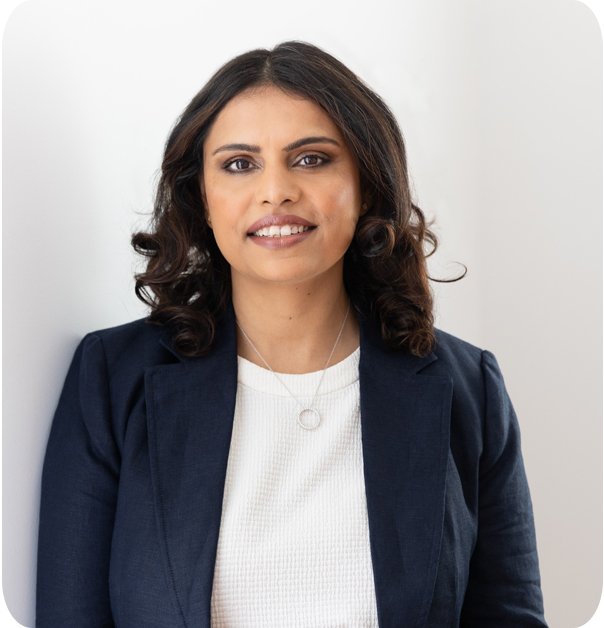
Buying a business is different from any other loan. The lender isn't just assessing you — they're assessing the business you're buying, its cash flow, its goodwill and how the deal is structured. Pooja has settled acquisitions across franchises, hospitality, healthcare and independent SMEs, and knows which lenders say yes to which deals. Our free due diligence checklist lists the documents lenders and advisers will want to see.
Indicative only — not an offer or credit assistance. The figures shown are estimates based on general lending ranges for the business type selected. They do not constitute an offer, pre-approval, or a recommendation, and this tool does not assess whether a loan is suitable or affordable for you. Actual loan amounts depend on the target business's financials and cash flow, the security offered, your circumstances and individual lender policy, and will differ from these estimates. Consider your own objectives and financial situation, and seek advice, before acting.
This calculator does not collect any personal information. See our Privacy Policy for how we handle your data when you contact us. Probiz Finance ABN 52 661 057 647 · Credit Representative 542838 is authorised under Australian Credit Licence 384704 · MFAA Accredited. Your full financial situation and requirements will be considered prior to any offer.
No credit checks at this stage, no obligation. We'll come back within one business day with a read on how lenders would see the acquisition.
Credit-reviewed by Pooja Choudhary
This calculator is built around the ratios bank credit teams test on every acquisition: debt service cover, equity contribution and loan-to-value on any security offered. It gives you a starting number, not an approval.
Probiz Founder and Director Pooja Choudhary spent 15+ years in institutional credit risk and commercial lending at NAB and ANZ. She reviews your deal the way a credit committee would — normalising the seller's profit, stress-testing cash flow and matching the structure to lenders that suit your sector.
Quick answer: Lenders size acquisition debt on the business's normalised, verifiable profit, not the asking price. They test whether that profit covers the new loan repayments with a margin (debt service cover ratio, DSCR), then weigh your equity contribution, industry experience, and any property or personal security offered.
Lenders strip out the seller's personal expenses and one-off items, then deduct a market wage for the incoming owner. Profit can rise or fall materially after this.
Lenders want profit to cover all loan repayments comfortably, with a margin above 1.0x. The required cover varies by lender and sector.
Goodwill is unsecured value. A deal with little tangible security usually needs more equity, property security or a vendor finance component.
Professional practices with recurring fee income can access stronger terms than more volatile sectors such as hospitality or retail.
Directly relevant industry experience can be the deciding factor on an otherwise borderline deal.
It depends on the security behind the deal. Where the price is mostly goodwill with no property security, lenders usually expect a meaningful equity contribution, and the amount varies by lender, sector and cash flow. Property equity or a vendor finance component can reduce the cash required.
Some do, usually for businesses with strong, recurring and verifiable cash flow such as professional practices and established franchises. For other sectors, lenders typically want additional security, such as property, or a larger equity contribution.
Usually two to three years of the target business's financial statements and tax returns, current-year management accounts, the sale contract or heads of agreement, and your own asset, liability and income position. Alt-doc options exist where the buyer's own records are limited.
Send Pooja the numbers. She'll normalise the profit, run DSCR and tell you which lenders would back the deal and on what structure. No obligation.
Results are indicative estimates based on the figures you enter and simplified assumptions. They are not a quote, credit assessment or loan approval, and do not consider your full financial situation. Lender criteria, rates and fees vary and change. All applications are subject to lender assessment. This is general information only, not financial, tax or legal advice — speak to your accountant or adviser before acting. Probiz Finance (Vizva Finance Pty Ltd, ABN 52 661 057 647) is Credit Representative 542838 of Australian Credit Licence 384704.
Either way, the finance conversation should happen before you sign. A strategy session with Pooja — no obligation, no fee.