
Equipment, vehicles, machinery, technology, fit-out — asset finance covers more than most business owners expect. Here's what typically qualifies, what doesn't, how the numbers work in 2026, and why waiting to upgrade often costs more than financing does.
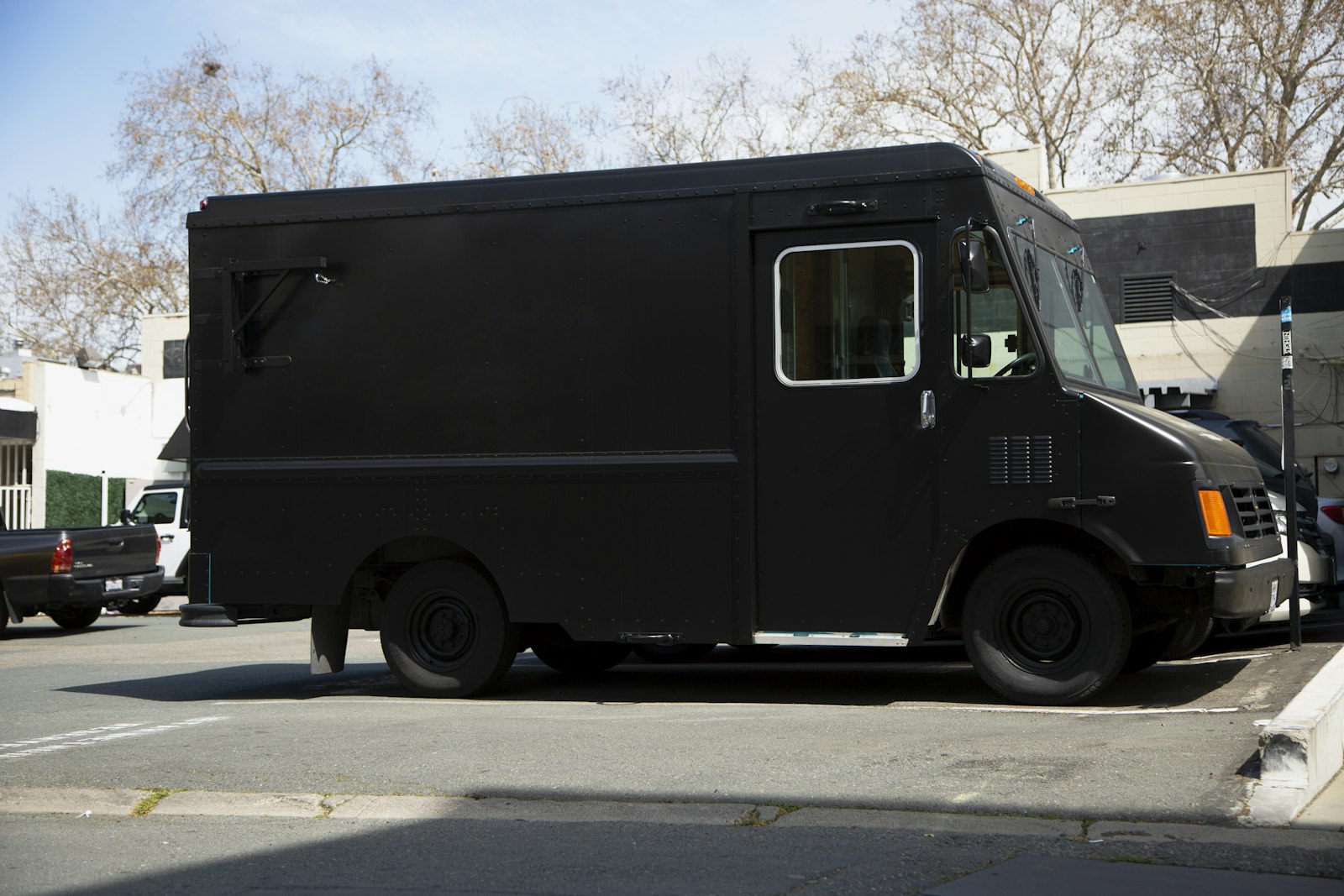
If you've never financed equipment before, it's easy to assume "asset finance" means something narrow — a truck loan, maybe. In practice, it's one of the broadest and most accessible categories of business finance available, covering almost anything physical your business uses to generate income. And for many SME owners, it's also one of the fastest ways to remove a bottleneck that's been quietly capping growth.
Here's the pattern we see constantly: a business is turning away work, running equipment past its useful life, or watching a competitor win a contract simply because they had the right gear ready to go. The finance decision often isn't the hard part — knowing what actually qualifies, how it's structured, and where to start is. That's what this guide is for.
Manufacturing and processing equipment, industrial machinery, packaging lines, commercial kitchen equipment, and other production assets that directly drive output and revenue.
Earthmoving and construction equipment, agricultural machinery, forklifts, and specialised trade machinery — the kind of gear that often has a long working life once it's the right fit.
Utes, vans, trucks, trailers and other vehicles used primarily for business purposes — frequently one of the first assets a growing business needs to finance.
Computers, servers, point-of-sale systems and other business technology, where waiting too long to upgrade can quietly cost more in lost efficiency than the finance repayments would.
Fixtures, fittings and equipment involved in fitting out a commercial premises for use — from a retail shopfront to a clinic or workshop.
Most categories above can generally be financed whether the asset is new or used, subject to the lender's own assessment — useful if you're weighing up a well-maintained second-hand option against buying new.
Meet Sarah. Sarah is a business owner (illustrative example) running a growing commercial cleaning company. For two years, her business ran on a single ageing van and equipment that was serviceable, but slow. Every time a larger contract came up, Sarah had to either decline it or subcontract the extra capacity out — handing margin to someone else.
The bottleneck: Sarah's team was fully booked, but the business couldn't take on a lucrative new contract because it lacked a second vehicle and a commercial-grade set of equipment to service it properly.
The hesitation: Like many business owners, Sarah assumed financing new equipment meant a slow, complicated process, and worried it would strain cash flow at the wrong time.
The shift: Once Sarah understood that the vehicle, the equipment, and even the technology to manage new job sites could all be financed — separately from her working capital — the decision became less about "can I afford this" and more about "can I afford to keep turning work away."
Sarah's situation is a common one. Businesses rarely lose ground because of one big mistake — they lose it in small increments, one declined job or one slow month at a time, while the right piece of equipment sits just out of reach. Asset finance exists precisely to close that gap without tying up the cash a business needs for wages, stock and day-to-day operations.
Sarah's situation is an illustrative composite, not a specific client case, included to show how business owners typically work through this exact decision.
Two categories are commonly confused with asset finance but are financed differently — and understanding the difference upfront saves real time:
Keeping these separate matters: applying for the wrong type of finance for a given need is one of the more common reasons an application takes longer than it should, or gets sent back for more information. Knowing which bucket your purchase falls into before you apply puts you ahead of most first-time applicants.
Most equipment and vehicle purchases are financed through one of three structures. Which one suits a given purchase depends on the asset, how it will be used, and the business's own accounting and tax position — this is general information, not a recommendation for your circumstances.
The business owns the asset from settlement, while the lender holds a mortgage over it as security until the loan is repaid. A common choice where the business wants ownership recorded immediately.
The lender owns the asset and leases it to the business for an agreed term, often with an option to purchase at the end — useful where preserving flexibility matters more than immediate ownership.
The business hires the asset with an agreement to purchase it, with ownership transferring once all payments are made — a familiar structure for vehicles and machinery.
This depends on cash flow, how the asset will be used and your accountant's advice — see Asset Finance for the full picture.
Structuring an asset purchase correctly the first time avoids the two most common costly mistakes: applying for the wrong finance type, and choosing a structure that doesn't suit how the business actually uses the asset. Pooja Choudhary has spent over a decade in business and commercial lending, including roles at National Australia Bank and ANZ, before founding Probiz Finance to give Melbourne SMEs the same calibre of finance guidance that larger businesses take for granted.
That background means a conversation with Pooja isn't a generic sales pitch — it's a genuine assessment of what your business needs, matched against a panel of lenders, so you understand your options clearly before you commit to anything.
For many SMEs, the finance decision and the tax treatment of an asset are closely linked, which is exactly why it's worth understanding both before you buy. As at the time of writing, the ATO's instant asset write-off allows eligible small businesses to immediately deduct the full cost of qualifying assets, rather than depreciating them over several years.
The $20,000 threshold has applied since 1 July 2023 on a series of year-by-year extensions. Following the 2026–27 Federal Budget (12 May 2026), it has now been legislated as a permanent measure from 1 July 2026, rather than requiring further annual extension — meaning businesses no longer need to plan purchases around uncertainty over whether the write-off will still exist next financial year. The threshold applies per asset, so a business purchasing several eligible items in the same year can potentially write off each one individually, provided the eligibility criteria are met for each purchase.
This is general tax information, not personal tax advice. Whether a specific purchase qualifies, and how it should be treated, depends on your business's individual circumstances — always confirm current eligibility and treatment with your accountant or the ATO directly before making a purchasing decision.
Generally yes — most asset categories can be financed new or used, though the specific terms available depend on the asset's age, condition and the lender's own assessment.
The write-off relates to how the asset is treated for tax purposes, not how it was paid for — but the interaction between financing and tax treatment depends on your circumstances and should be confirmed with your accountant.
That's typically working capital, not asset finance. Talk to us about the right fit for what you actually need funded.
No — commercial property is financed separately. See Commercial Property Loans.
Timeframes vary by lender, asset type and the completeness of your application, so we can't quote a fixed turnaround here — but having your business and asset details ready before you apply generally helps things move as smoothly as possible.
Deposit requirements vary by lender, asset and the applicant's overall position — there's no single standard figure we can state here. This is exactly the kind of detail worth discussing directly, so you go in with a clear, accurate picture rather than a guess.

Every month spent working around outdated equipment, an unreliable vehicle, or a fit-out that no longer fits is a month of jobs, capacity or customers going elsewhere. Sarah's story above isn't unusual — it's how most growth bottlenecks actually look up close. A short, no-pressure conversation with Pooja Choudhary — backed by over a decade of banking and business lending experience — can tell you exactly what's financeable, which structure suits your situation, and what to check with your accountant before you buy.
Book a Time With Pooja →Equipment, vehicles, machinery, technology, fit-out — asset finance covers more than most business owners expect. Here's what typically qualifies, what doesn't, how the numbers work in 2026, and why waiting to upgrade often costs more than financing does.
If you've never financed equipment before, it's easy to assume "asset finance" means something narrow — a truck loan, maybe. In practice, it's one of the broadest and most accessible categories of business finance available, covering almost anything physical your business uses to generate income. And for many SME owners, it's also one of the fastest ways to remove a bottleneck that's been quietly capping growth.
Here's the pattern we see constantly: a business is turning away work, running equipment past its useful life, or watching a competitor win a contract simply because they had the right gear ready to go. The finance decision often isn't the hard part — knowing what actually qualifies, how it's structured, and where to start is. That's what this guide is for.
Manufacturing and processing equipment, industrial machinery, packaging lines, commercial kitchen equipment, and other production assets that directly drive output and revenue.
Earthmoving and construction equipment, agricultural machinery, forklifts, and specialised trade machinery — the kind of gear that often has a long working life once it's the right fit.
Utes, vans, trucks, trailers and other vehicles used primarily for business purposes — frequently one of the first assets a growing business needs to finance.
Computers, servers, point-of-sale systems and other business technology, where waiting too long to upgrade can quietly cost more in lost efficiency than the finance repayments would.
Fixtures, fittings and equipment involved in fitting out a commercial premises for use — from a retail shopfront to a clinic or workshop.
Most categories above can generally be financed whether the asset is new or used, subject to the lender's own assessment — useful if you're weighing up a well-maintained second-hand option against buying new.
Meet Sarah. Sarah is a business owner (illustrative example) running a growing commercial cleaning company. For two years, her business ran on a single ageing van and equipment that was serviceable, but slow. Every time a larger contract came up, Sarah had to either decline it or subcontract the extra capacity out — handing margin to someone else.
The bottleneck: Sarah's team was fully booked, but the business couldn't take on a lucrative new contract because it lacked a second vehicle and a commercial-grade set of equipment to service it properly.
The hesitation: Like many business owners, Sarah assumed financing new equipment meant a slow, complicated process, and worried it would strain cash flow at the wrong time.
The shift: Once Sarah understood that the vehicle, the equipment, and even the technology to manage new job sites could all be financed — separately from her working capital — the decision became less about "can I afford this" and more about "can I afford to keep turning work away."
Sarah's situation is a common one. Businesses rarely lose ground because of one big mistake — they lose it in small increments, one declined job or one slow month at a time, while the right piece of equipment sits just out of reach. Asset finance exists precisely to close that gap without tying up the cash a business needs for wages, stock and day-to-day operations.
Sarah's situation is an illustrative composite, not a specific client case, included to show how business owners typically work through this exact decision.
Two categories are commonly confused with asset finance but are financed differently — and understanding the difference upfront saves real time:
Keeping these separate matters: applying for the wrong type of finance for a given need is one of the more common reasons an application takes longer than it should, or gets sent back for more information. Knowing which bucket your purchase falls into before you apply puts you ahead of most first-time applicants.
Most equipment and vehicle purchases are financed through one of three structures. Which one suits a given purchase depends on the asset, how it will be used, and the business's own accounting and tax position — this is general information, not a recommendation for your circumstances.
The business owns the asset from settlement, while the lender holds a mortgage over it as security until the loan is repaid. A common choice where the business wants ownership recorded immediately.
The lender owns the asset and leases it to the business for an agreed term, often with an option to purchase at the end — useful where preserving flexibility matters more than immediate ownership.
The business hires the asset with an agreement to purchase it, with ownership transferring once all payments are made — a familiar structure for vehicles and machinery.
This depends on cash flow, how the asset will be used and your accountant's advice — see Asset Finance for the full picture.
Structuring an asset purchase correctly the first time avoids the two most common costly mistakes: applying for the wrong finance type, and choosing a structure that doesn't suit how the business actually uses the asset. Pooja Choudhary has spent over a decade in business and commercial lending, including roles at National Australia Bank and ANZ, before founding Probiz Finance to give Melbourne SMEs the same calibre of finance guidance that larger businesses take for granted.
That background means a conversation with Pooja isn't a generic sales pitch — it's a genuine assessment of what your business needs, matched against a panel of lenders, so you understand your options clearly before you commit to anything.
For many SMEs, the finance decision and the tax treatment of an asset are closely linked, which is exactly why it's worth understanding both before you buy. As at the time of writing, the ATO's instant asset write-off allows eligible small businesses to immediately deduct the full cost of qualifying assets, rather than depreciating them over several years.
The $20,000 threshold has applied since 1 July 2023 on a series of year-by-year extensions. Following the 2026–27 Federal Budget (12 May 2026), it has now been legislated as a permanent measure from 1 July 2026, rather than requiring further annual extension — meaning businesses no longer need to plan purchases around uncertainty over whether the write-off will still exist next financial year. The threshold applies per asset, so a business purchasing several eligible items in the same year can potentially write off each one individually, provided the eligibility criteria are met for each purchase.
This is general tax information, not personal tax advice. Whether a specific purchase qualifies, and how it should be treated, depends on your business's individual circumstances — always confirm current eligibility and treatment with your accountant or the ATO directly before making a purchasing decision.
Generally yes — most asset categories can be financed new or used, though the specific terms available depend on the asset's age, condition and the lender's own assessment.
The write-off relates to how the asset is treated for tax purposes, not how it was paid for — but the interaction between financing and tax treatment depends on your circumstances and should be confirmed with your accountant.
That's typically working capital, not asset finance. Talk to us about the right fit for what you actually need funded.
No — commercial property is financed separately. See Commercial Property Loans.
Timeframes vary by lender, asset type and the completeness of your application, so we can't quote a fixed turnaround here — but having your business and asset details ready before you apply generally helps things move as smoothly as possible.
Deposit requirements vary by lender, asset and the applicant's overall position — there's no single standard figure we can state here. This is exactly the kind of detail worth discussing directly, so you go in with a clear, accurate picture rather than a guess.
Every month spent working around outdated equipment, an unreliable vehicle, or a fit-out that no longer fits is a month of jobs, capacity or customers going elsewhere. Sarah's story above isn't unusual — it's how most growth bottlenecks actually look up close. A short, no-pressure conversation with Pooja Choudhary — backed by over a decade of banking and business lending experience — can tell you exactly what's financeable, which structure suits your situation, and what to check with your accountant before you buy.
Book a Time With Pooja →